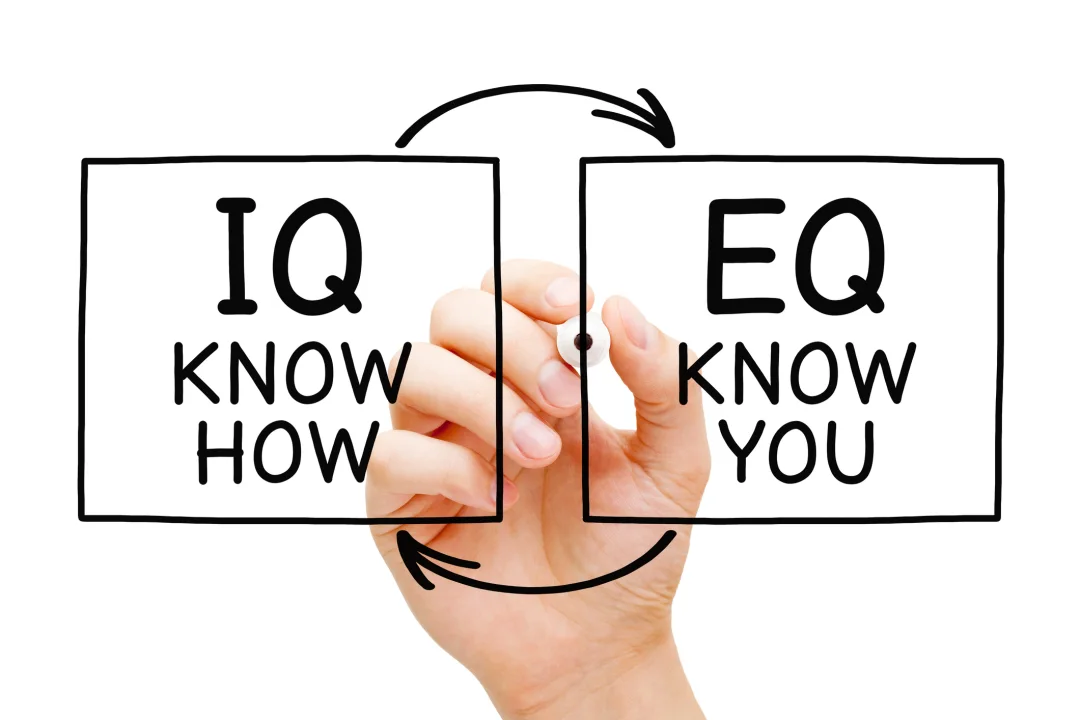
When you’re looking for work, it’s natural to focus on your resume, technical skills, and interview answers. Those things definitely matter – but employers are also paying close attention to how you communicate, listen, adapt, and connect with others. Emotional intelligence, listening, and communication can help you make a strong impression—and thrive once you’re hired.
Soft skills such as communication, teamwork, adaptability, and emotional intelligence are transferable across roles and industries and can help job seekers stand out. In other words, how you work with people can be just as important as what you know.
Emotional intelligence is the ability to understand and manage your own emotions while also noticing and responding thoughtfully to the emotions of others. In a job search, that can look like staying calm when you feel nervous, answering questions honestly, showing respect for different perspectives, and learning from feedback. It’s not about being perfect – it’s about being self-aware, steady, and willing to grow.
Why emotional intelligence helps in interviews
Interviews can feel very high-pressure, but they are also just conversations between people. When you use emotional intelligence, you can listen carefully to what the interviewer is asking, pause before responding, and share examples that show how you handle challenges, teamwork, and change. Soft-skill interview questions often explore communication, emotional intelligence, leadership, problem solving, adaptability, work ethic, and teamwork. Preparing short stories that show these qualities can help employers understand not just what you have done, but how you work with people.
Active listening is one of the simplest ways to show emotional intelligence. During an interview, try to focus fully on the question, ask for clarification if needed, and respond to the point being asked rather than rushing into a memorized answer. Ask for more explanation if you do not understand a question, because it is better to clarify than to answer inappropriately. This helps you come across as present, respectful, and engaged.
Soft skills that support success on the job
Your technical skills may get you noticed, but your people skills can help employers see how you’ll fit, learn, and succeed. Soft skills and emotional intelligence continue to matter after the interview. Communication helps you ask good questions and understand expectations. Adaptability helps you respond to change. Teamwork helps you contribute to a positive workplace. Problem solving helps you stay focused when something does not go as planned. Together, these skills show employers that you can learn, collaborate, and contribute in a way that supports both your own growth and the success of the team.
Practice makes these skills stronger
From the interview room to the workplace, emotional intelligence can help you stay calm, communicate clearly, and grow with confidence. Like any skill, emotional intelligence grows with practice. Before your next interview, consider rehearsing out loud, noticing where you feel nervous, and planning a few calming strategies such as taking a breath before answering or writing down key points in advance. You can also practice listening without interrupting, asking thoughtful questions, and speaking about your strengths in a grounded, authentic way.
Prospect can help
Prospect Human Services helps Albertans find jobs through in-person support, online job search tools, workshops, employment events, and programs. If you would like guidance as you build confidence, prepare for interviews, or strengthen your job-search approach, Prospect can help you take the next step. Prospect’s Employment Resource Centres offer one-on-one job search support as well as access to computers, printing, WiFi, job search resources, and knowledgeable team members.
Prospect also offers employment readiness workshops that help job seekers build skills and confidence, including resume and interview skills resources. Visit our Virtual Employment Resource Centre for information on updating your resume , preparing for interviews , workshops , community resources and more!